After floods, prioritize safety and assess damage in Houston, San Antonio, or Seattle homes. Look for structural issues, electrical hazards, and mold growth potential. Use eco-friendly, natural water damage repair techniques to preserve historical integrity and mitigate long-term issues. Rapid response is key; delay can increase permanent damage risk. Natural deodorization, combined with mechanical drying, prevents unpleasant scents. Structural assessment ensures safety and prevents future damage. Use fans, dehumidifiers, and ventilation for natural water damage repair. Severe cases may require rebuilding with moisture-resistant materials. Insuring against water damage offers financial protection. Prevent mold growth to avoid health risks like allergies, respiratory problems, and neurological impairments. Prioritize natural water damage repair techniques and follow expert recommendations for safe restoration.
In the face of unpredictable weather patterns, communities across [State] are increasingly confronting the daunting challenges posed by flash floods. The immediate aftermath of such events often leaves homes and businesses suffering extensive water damage, necessitating swift and effective cleanup strategies. This article delves into the intricate process of 24-hour flood cleanup, offering practical insights for residents navigating this stressful situation. We explore both the challenges inherent in rapid response and the benefits of adopting eco-friendly, natural water damage repair methods to restore affected areas promptly and safely.
- Assessing Flood Damage: Initial Steps for Safety
- Dry Out and Deodorize: Natural Water Damage Repair
- Restoring Your Home: Structural Integrity First
- Preventing Mold Growth: Long-Term Health Considerations
Assessing Flood Damage: Initial Steps for Safety
Assessing Flood Damage: The Initial Steps for Safety and Restoration
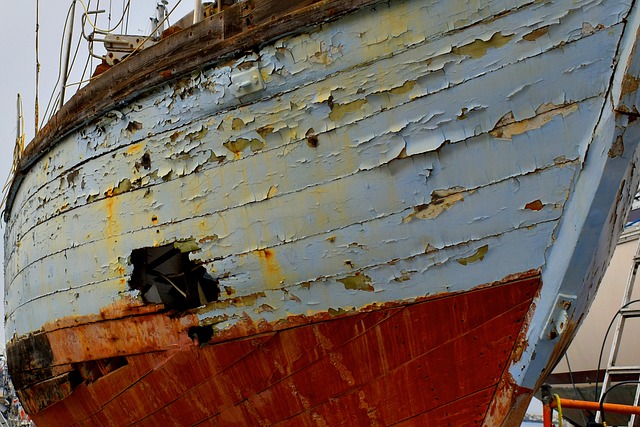
In the aftermath of a flood, whether it's a sudden deluge or a lingering river that has receded, the initial focus must be on safety. Before diving into water damage repair naturally or considering the best water damage repair San Antonio options, homeowners in Houston or any affected area need to meticulously assess the damage and ensure their well-being. This crucial step involves understanding the potential hazards present in flooded homes, especially historical structures that require specialized care when restoring homes after floods.
The first step is always to evacuate if necessary and confirm everyone's safety. Once the immediate threat has passed, inspect your property with a critical eye. Look for structural integrity issues such as tilted walls, sagging ceilings, or uneven floors, which may indicate foundation damage. Check for potential electrical hazards like exposed wires or damaged panels that could lead to shocks or fires. In addition, be aware of mold growth, a common consequence of water intrusion, as it can pose significant health risks, particularly in historical homes where restoration must preserve both the building and its cultural significance.
For homeowners in Houston and beyond, restoring historical homes from water damage necessitates expertise. This is where professional services like Property Restoration of the Capital Region play a vital role. They possess the knowledge and tools to tackle complex challenges inherent in preserving these valuable structures while implementing effective water damage repair naturally techniques. Restoring homes after floods in Houston, for instance, requires a nuanced approach considering local environmental conditions and specific building materials. This includes using eco-friendly methods that harmonize with historical integrity while mitigating potential long-term issues like mold or wood rot.
By taking these initial steps, homeowners can better prepare themselves to navigate the restoration process. Whether in San Antonio or Houston, professional advice is invaluable for assessing flood damage accurately and ensuring a safe, successful recovery. This proactive approach not only safeguards lives but also helps preserve the region's diverse architectural landscape, including its historical homes, through effective water damage repair naturally strategies tailored to each unique situation.
Dry Out and Deodorize: Natural Water Damage Repair

After a flood, one of the most critical steps in water damage repair is effectively drying out and deodorizing affected areas. This natural process is essential to prevent long-term issues such as mold growth and structural damage, which can be especially prevalent in cities like Seattle, Houston, and Dallas where burst pipes and heavy rainfall are common.
In the case of restoring after burst pipes Seattle or homes after floods Houston, professional water damage restoration services play a vital role. These services employ advanced equipment and specialized techniques to expedite drying times and ensure optimal results. For instance, industrial-strength fans and dehumidifiers are used to circulate air and remove moisture from hard-to-reach corners and hidden spaces within walls and attics. This meticulous approach is crucial for effective water damage repair naturally, as it prevents the formation of musty odors and potentially harmful microorganisms.
Transitioning to a different geographic context, consider the challenges posed by flooding in Dallas. The city's diverse climate brings varying precipitation levels, increasing the likelihood of water infiltration in homes and businesses. Property Restoration of the Capital Region, for example, has honed its expertise in addressing these issues, offering comprehensive water damage restoration services tailored to meet the unique needs of the region. Their experienced technicians understand that rapid response is key, as every 24 hours of delay can increase the potential for permanent damage and costly repairs.
During the drying process, it's essential to employ natural deodorizing methods alongside mechanical drying techniques. This involves using odor-neutralizing products derived from essential oils or other non-toxic substances to eliminate unpleasant scents caused by water damage. By combining these strategies, restoration professionals can ensure not only the structural integrity of affected properties but also create a healthier living environment for future occupants.
Restoring Your Home: Structural Integrity First
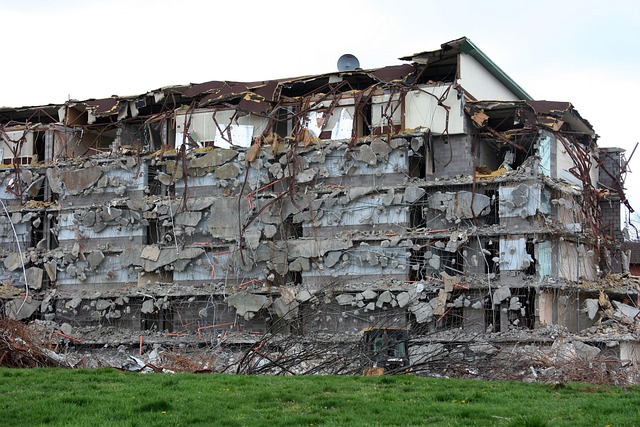
Restoring your home after a flood involves more than just removing water and drying out the space—it's about ensuring structural integrity and insuring against future damage. In areas like Denver and San Diego, where heavy rainfall can lead to significant flooding, prompt action is crucial to mitigate water damage repair needs. The first step in this process is assessing the structural stability of your home. This involves inspecting for foundational shifts, cracks in walls or floors, and any signs of weakened support systems.
Property Restoration of the Capital Region recommends a thorough inspection by professionals experienced in rebuilding after flood damage. They can identify hidden risks like mold growth behind walls or under flooring, which not only compromises structural integrity but also poses health hazards. Once the safety of your home's structure is confirmed, focus on natural water damage repair methods. Using fans, dehumidifiers, and proper ventilation techniques aids in drying out materials, preventing mold and bacteria from taking hold.
In some cases, especially with severe flooding, it may be necessary to replace affected areas entirely. This includes walls, flooring, and even electrical systems that have been exposed to water. It's important to insure against such damages to ensure financial protection during the restoration process. Proper rebuilding techniques after flood damage Denver or San Diego should prioritize using materials resistant to moisture and ensuring adequate drainage around the property to prevent future occurrences.
Preventing Mold Growth: Long-Term Health Considerations
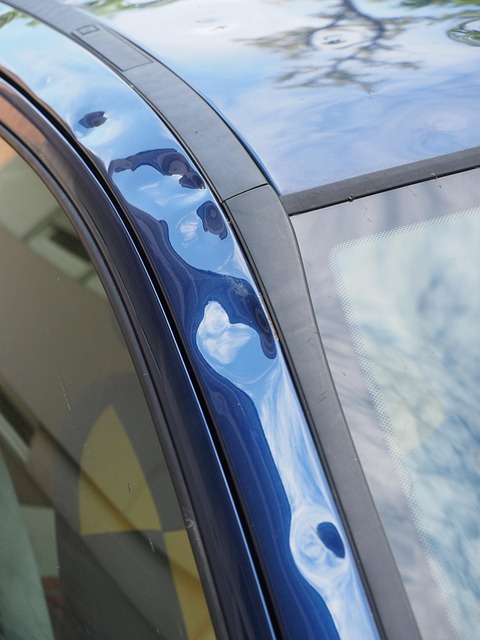
Water damage from heavy rainfall can create a breeding ground for mold, posing significant health risks to residents of San Diego. Preventing mold growth is crucial not only for maintaining a healthy living environment but also for mitigating potential long-term health issues. While quick water extraction is essential during the initial flood cleanup phase, expert advice on flood cleanup goes beyond immediate repairs. Natural water damage repair methods can play a vital role in preventing mold infestation and ensuring a safer, healthier space.
One effective strategy involves using natural dehumidifiers like silica gel packets or activated carbon to absorb moisture from the air. These materials are safe and environmentally friendly alternatives to chemical-based products. Additionally, proper ventilation is key; opening windows and doors allows fresh air circulation, speeding up drying time and reducing humidity levels that favor mold growth. It's worth noting that in severe cases, professional water damage restoration services like those offered by Property Restoration of the Capital Region are indispensable. Their specialized equipment and expertise can quickly extract standing water and dry out affected areas, significantly decreasing the risk of mold development.
The potential health consequences of mold exposure cannot be overstated. Short-term symptoms include allergies, respiratory irritation, and asthma exacerbation. Prolonged exposure to mold can lead to more severe issues such as chronic sinusitis, memory problems, and even neurological impairments, per data from the Environmental Protection Agency (EPA). Preventative measures are therefore paramount. Implementing natural water damage repair techniques and adhering to safe restoration practices recommended by experts are crucial steps in protecting your health and that of your family. By prioritizing mold prevention, San Diego residents can ensure their homes recover safely and thoroughly from heavy rainfall events.
After assessing flood damage, implementing initial safety measures, and prioritizing structural integrity, water damage repair naturally becomes a crucial step in recovery. The process involves drying out and deodorizing affected areas to prevent long-term health issues associated with mold growth. By focusing on natural repair methods, homeowners can achieve a safe, healthy living environment while minimizing environmental impact. Key insights include the importance of quick action, proper ventilation, and using environmentally friendly products for deodorization. Moving forward, it's essential to address water damage repair naturally as part of the holistic restoration process, ensuring both the safety and well-being of residents in the aftermath of a flood.