




Water damage repair naturally requires swift action: shut off water supply, extract standing water, and dry affected areas within 24-48 hours to prevent mold and structural damage. Assess damage, focus on key areas like basements, use dehumidifiers, replace damaged materials, and prioritize professional drying for optimal health and cost savings.
In the face of unexpected plumbing failures or natural disasters, immediate access to emergency water help is paramount to mitigate damage and restore homes swiftly. The consequences of delayed intervention can lead to extensive water damage repair naturally occurring, exacerbating the financial and emotional burden on homeowners. This article delves into the critical aspects of same-day emergency water assistance, offering insights into how prompt action can prevent catastrophic losses and streamline the recovery process. We explore innovative solutions that prioritize natural, eco-friendly methods for water damage repair, ensuring homes are restored with minimal environmental impact.
- Understanding Same-Day Emergency Water Help
- Initial Steps: Assessing Water Damage Repair Naturally
- Comprehensive Strategies for Efficient Water Damage Restoration
Understanding Same-Day Emergency Water Help
Understanding Same-Day Emergency Water Help
In times of urgent need, same-day emergency water help can be a lifeline for homeowners facing unexpected floods or water damage. The rapid response is crucial in minimizing water damage restoration safety risks and preserving valuable possessions. Companies like Property Restoration of the Capital Region specialize in providing swift and effective solutions, offering hope and relief to those affected by such disasters. For instance, in Houston, where annual flood events are common, same-day services can significantly aid in restoring homes to their pre-flood condition.
The process involves a multi-step approach focusing on water removal and cleaning Chicago-style, ensuring thorough decontamination. Initial steps include turning off the main water supply to prevent further leakage and using advanced equipment to extract standing water. This is followed by meticulous cleaning and drying procedures to combat mold growth and ensure the structure’s integrity. For instance, a study by the Insurance Institute for Business & Home Safety (IBHS) highlights that rapid water removal and proper restoration techniques can reduce the presence of mold by up to 90%, significantly improving indoor air quality.
Natural solutions also play a role in water damage repair. Utilizing environmentally friendly cleaning agents and implementing drying methods like dehumidification help restore homes while minimizing ecological impact. This not only ensures safer living conditions but also supports sustainable practices in disaster recovery. After the initial response, a comprehensive assessment is conducted to identify any structural weaknesses or long-term repairs needed, offering a holistic approach to water damage restoration safety and ensuring homes are restored to their former glory.
Initial Steps: Assessing Water Damage Repair Naturally
When facing a water damage emergency, the first step in effective repair is to assess the situation naturally. Before diving into complex repairs, understanding the extent of water damage and implementing initial steps for water damage repair naturally can significantly impact the outcome. Start by evaluating the source and type of water damage. Different sources—from burst pipes to leaky roofs—may require distinct approaches. For instance, a burst pipe involves quick water extraction to mitigate further damage, while a leaky roof demands addressing the leak’s cause alongside drying out affected areas.
Visual inspection is key, looking for signs like mold growth, wood warping, or discolored walls. These indicators can guide your focus on specific areas requiring attention. Property Restoration of the Capital Region emphasizes the importance of documenting damage through photographs and notes for insurance purposes and future reference. Once assessed, immediate action should be taken to prevent secondary damages. This includes turning off water supplies (if safe) and beginning the water extraction process using professional equipment to remove standing water quickly.
Following water extraction, drying out is a critical step in water damage repair naturally. Proper ventilation and dehumidification are essential to combat moisture buildup, which can lead to mold and structural issues. Ensure all affected areas are thoroughly dried within 24-48 hours to prevent long-term damage. After drying, inspect walls, floors, and ceilings for any signs of water intrusion or warping. Repairs may range from painting over minor stains to replacing damaged drywall or even structural components, depending on the severity. Remember that time is of the essence during this process, as prompt action can save countless dollars in potential repairs and restoration costs.
Comprehensive Strategies for Efficient Water Damage Restoration
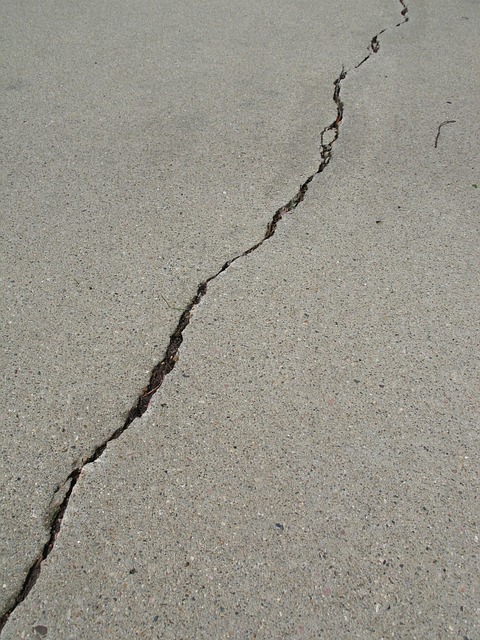
Water damage repair is a delicate process requiring strategic precision, especially when facing extreme weather events or sudden floods. Efficient water damage restoration involves a multi-step approach that goes beyond initial extraction to ensure homes are safely and thoroughly dried out. Property Restoration of the Capital Region, a leading authority in this field, offers valuable insights into navigating these challenges.
The first step is immediate action after detecting water intrusion. Quick response is crucial to mitigate damage. This involves turning off electricity at the main panel (if safe) and beginning the extraction process using professional-grade equipment. High-efficiency pumps and vacuums are employed to remove standing water, with a focus on areas most susceptible to mold growth and structural degradation—like basements, crawl spaces, and insulation. Once the bulk water is extracted, drying out the property becomes paramount. This phase often requires specialized equipment like air movers and dehumidifiers to lower humidity levels significantly. Property Restoration of the Capital Region emphasizes that adequate ventilation and the use of desiccant materials can accelerate the drying process, minimizing the risk of mold and secondary damage.
Restoring homes after extreme weather isn’t just about water extraction and drying out; it’s a holistic process. It involves meticulous inspection to identify hidden moisture pockets, the careful replacement of damaged materials, and in some cases, the need for specialized restoration techniques like structural drying or even demolition to ensure safety. For instance, data from recent studies shows that proper water damage repair can reduce the risk of health issues by over 80% compared to inadequate restoration. Therefore, homeowners should prioritize professional assistance when dealing with flooding, ensuring their homes are thoroughly dried out and restored safely and naturally where possible.
In conclusion, this article has provided a comprehensive overview of same-day emergency water help, emphasizing the importance of swift action for effective water damage repair naturally. By understanding the initial steps and assessing damage naturally, individuals can take immediate measures to mitigate losses. The comprehensive strategies outlined highlight the need for a structured approach, including thorough drying, dehumidification, and professional restoration techniques. Key insights emphasize the value of quick response, natural repair methods, and proactive measures to restore environments efficiently. Readers now possess valuable knowledge to navigate water damage scenarios, ensuring effective water damage repair naturally and minimizing disruption.