
Water damage repair naturally after extreme weather requires a swift (24-48 hours) systematic assessment using advanced tools to detect hidden moisture. Initial steps involve emergency extraction of standing water and containment to prevent contamination. Professional services use specialized drying equipment, moisture mapping, and air monitoring for thorough drying, addressing structural repairs, and ensuring mold-free environment with ongoing monitoring. Discarding contaminated materials is crucial for safe restoration. Licensed professionals in cities like Miami or New York City prioritize industry standards, eco-friendly products, and air quality assessments throughout the process.
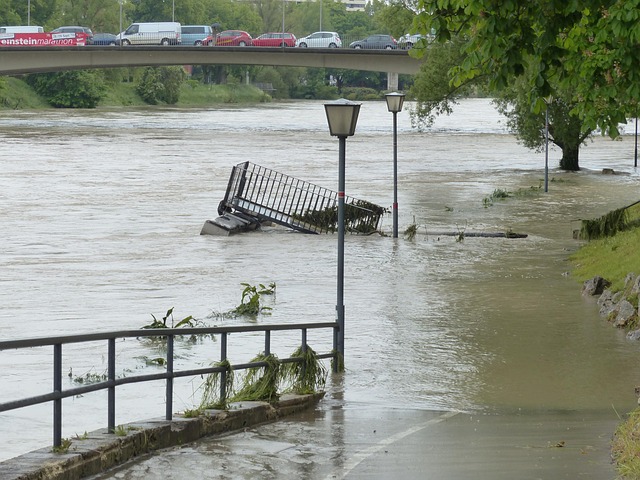
Restoring a local area after a flood is a critical task that demands meticulous attention to detail. Water damage repair is not merely about cleaning up; it involves understanding the science behind degradation and preservation of materials, especially in natural environments. In this article, we delve into effective yet sustainable strategies for water damage restoration, emphasizing natural solutions where possible. We aim to provide valuable insights for professionals and residents alike, ensuring properties are restored with minimal environmental impact while maximizing structural integrity.
- Assessing Flood Damage: A Comprehensive Guide
- Natural Water Damage Repair: Effective Steps for Restoration
- Restoring Your Home: Post-Flood Cleanup Strategies
Assessing Flood Damage: A Comprehensive Guide
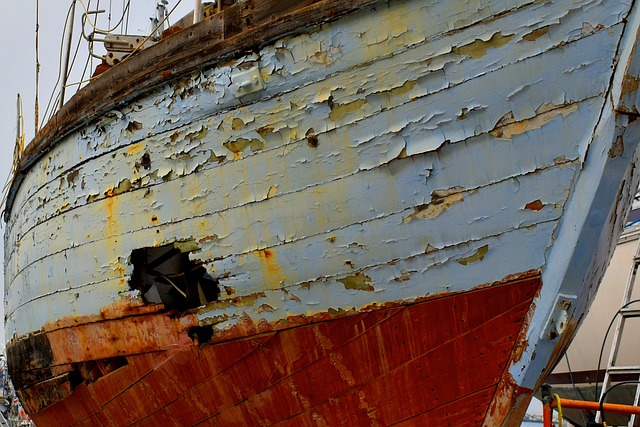
Assessing flood damage is a critical step in the restoration process, especially following extreme weather events like burst pipes or heavy rainfall. Property owners in Seattle or Miami, for instance, frequently encounter water damage and must act swiftly to mitigate further harm. The first 24 to 48 hours are crucial, and seeking expert advice on water damage repair is essential for effective restoration.
Comprehensive water damage assessment involves a systematic inspection to identify the scope of the problem. This includes documenting water levels, checking for hidden water intrusion, and assessing the affected areas. For instance, burst pipes can cause not only visible water damage but also leave hidden moisture in walls and insulation, which requires specialized equipment to detect. Water damage restoration services in Miami or Seattle often employ advanced tools such as moisture meters and thermal imaging cameras to ensure a thorough evaluation.
Once the assessment is complete, property owners can better understand the necessary repairs. Natural water damage repair methods focus on using non-toxic, environmentally friendly products for cleaning and decontaminating affected areas. For example, Property Restoration of the Capital Region recommends using vinegar and baking soda for cleaning hard surfaces, while biostimulating solutions can be employed for wood restoration. However, for severe cases, professional restoration companies may need to employ more advanced techniques, including specialized drying equipment and controlled environment restoration, to prevent mold growth and ensure the safe return of residents to their homes.
Natural Water Damage Repair: Effective Steps for Restoration

After a flood, addressing water damage repair naturally is a crucial step in the restoration process. The first 24 to 48 hours are critical for minimizing potential mold growth and structural damage. Emergency water extraction services like those offered in Boston or Atlanta play a vital role in quickly removing standing water from your property. This initial response can significantly impact the overall repair cost and the health of your home. For instance, according to recent studies, prompt action within 48 hours can reduce mold-related costs by up to 25%.
Once emergency services have dried out your home, the focus shifts to thorough water damage repair naturally. This involves assessing every affected area and implementing appropriate restoration techniques. It’s important to let professionals like Property Restoration of the Capital Region guide you through this process. They can help determine if items should be cleaned, replaced, or discarded based on their material and level of contamination. For instance, wooden floors might require specialized drying methods and treatments to prevent warping, while drywall may need to be entirely removed and replaced if it has absorbed significant moisture.
During the restoration process, maintaining a clean and dry environment is paramount. 24-hour water damage response teams employ advanced equipment like dehumidifiers and air movers to expedite drying times. These tools help remove moisture from walls, floors, and ceilings, preventing mold growth and structural deterioration. Regular monitoring of humidity levels ensures that your home dries evenly and completely, which is essential for effective water damage repair naturally.
Remember, water damage repair naturally requires a multi-step approach combining emergency extraction, thorough drying, and meticulous cleaning. By working with experienced professionals who understand the local climate and specific challenges posed by flooding in your area, you can restore your home to its pre-flood condition while minimizing long-term issues.
Restoring Your Home: Post-Flood Cleanup Strategies
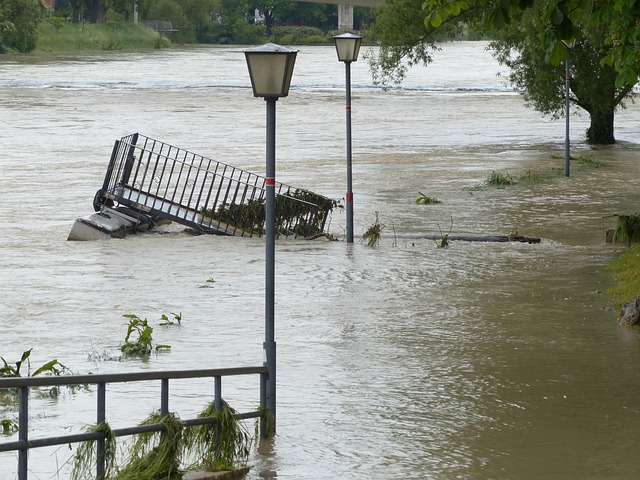
Restoring your home after a flood is a critical process that demands meticulous care and expert knowledge to ensure structural integrity and mitigate health risks associated with water damage. The initial steps post-flood involve assessing the extent of water intrusion and activating immediate containment measures to prevent further contamination. This includes turning off utility services, removing standing water, and employing natural dehumidifiers like fans and heaters to expedite drying.
The primary focus shifts to thorough cleaning and water damage repair naturally. It’s crucial to discard contaminated materials—such as carpeting, furniture, or drywall—to avoid the growth of mold and bacteria. Professional water damage restoration specialists in Miami or New York City often employ advanced techniques like moisture mapping and air movement monitoring to ensure every corner of your property is adequately dried. These services utilize state-of-the-art equipment to extract water efficiently while minimizing secondary damage from excessive drying.
Once the structure is stable and dry, it’s time to address structural repairs and restoration. This involves a multi-step process, including repairing or replacing affected framing, insulation, and electrical systems. In the Capital Region, Property Restoration of the Capital Region emphasizes the importance of hiring licensed and insured professionals who adhere to industry standards in all aspects of water damage restoration services. They use environmentally friendly products and techniques to ensure your home is safe, healthy, and aesthetically restored after a flood. Throughout these stages, ongoing monitoring for mold and air quality assessments are vital to guarantee a safe living environment.
Restoring after a flood requires a systematic approach, focusing on assessing damage, implementing natural water damage repair techniques, and employing effective post-flood cleanup strategies. Key insights include thoroughly evaluating affected areas, utilizing moisture meters to guide restoration, and adopting eco-friendly methods for water damage repair naturally. The article equips readers with practical tools and knowledge to navigate the process, ensuring a successful and sustainable recovery. By following these comprehensive guidelines, homeowners can effectively restore their properties, minimizing disruption and maximizing the value of their efforts.